
Magnesium Benefits and Types: Which One Should You Take?
Magnesium Benefits and Types: Which One Should You Take?
Magnesium is one of the most essential minerals for overall health, yet many people do not get enough magnesium from their daily diet. This important mineral supports everything from muscle function and energy production to sleep, relaxation, and heart health. Because there are several types of magnesium supplements available, many people are unsure which form is best for their needs.
Understanding the different magnesium benefits and types can help you choose the right supplement for your lifestyle and wellness goals. Whether you are looking for better sleep, improved muscle recovery, or more daily energy, magnesium may help support your body in multiple ways.
What Is Magnesium and Why Is It Important?
Magnesium is a vital mineral involved in hundreds of biochemical processes in the body. It helps regulate nerve function, muscle contractions, blood pressure, and energy production. Magnesium also plays a major role in maintaining healthy bones and supporting the cardiovascular system.
Natural food sources of magnesium include leafy green vegetables, nuts, seeds, legumes, whole grains, and dark chocolate. However, stress, poor eating habits, certain medications, and some health conditions can contribute to low magnesium levels.
A magnesium deficiency may lead to symptoms such as muscle cramps, fatigue, poor sleep, headaches, weakness, and increased stress levels. Because of this, magnesium supplements have become increasingly popular for people looking to support their overall health naturally.
What Are the Benefits of Magnesium?
Magnesium supports many important body functions and may help improve both physical and mental wellness. Taking magnesium regularly may help support muscle recovery, relaxation, energy levels, and sleep quality.
One of the biggest magnesium benefits is its role in muscle function and recovery. Magnesium helps muscles contract and relax properly, making it especially important for athletes and physically active individuals. It may help reduce muscle soreness, cramps, and tightness after exercise while supporting faster recovery.
Magnesium is also widely used for sleep and relaxation support. This mineral helps calm the nervous system and may help the body relax before bedtime. Many people take magnesium supplements in the evening because they find it helps improve sleep quality and supports a calmer mood.
Another important benefit of magnesium is energy production. Magnesium helps convert food into energy and supports healthy metabolism. Low magnesium levels may contribute to feelings of fatigue and low energy, which is why magnesium supplements are often used to support daily energy levels and reduce tiredness.
Different Types of Magnesium Explained
Not all magnesium supplements are the same. Different forms of magnesium are absorbed differently by the body and may provide different benefits depending on your goals.
Magnesium Glycinate
Magnesium glycinate is one of the most popular and highly absorbable forms of magnesium. It is commonly used for relaxation, stress support, muscle recovery, and sleep. Because it is gentle on the stomach, magnesium glycinate is often recommended for people with sensitive digestion.
Many people choose magnesium glycinate when they want a calming magnesium supplement that supports better sleep and relaxation without causing digestive discomfort.
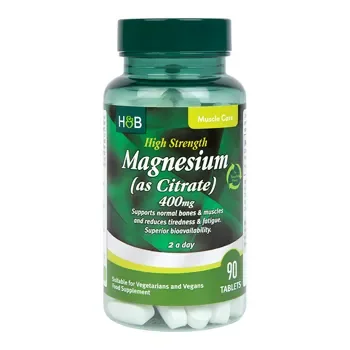
Magnesium Citrate
Magnesium citrate is another common form known for its good absorption. It is often used for digestive support because it may help stimulate bowel movements and relieve occasional constipation.
In addition to supporting magnesium levels, magnesium citrate may also help with muscle function and energy production. However, because it has a stronger digestive effect, some people may experience loose stools if they take higher doses.
Magnesium Bisglycinate
Magnesium bisglycinate is very similar to magnesium glycinate and is known for its high bioavailability and gentle digestion. This form combines magnesium with the amino acid glycine, which may help support calmness and relaxation.
Magnesium bisglycinate is often used for stress support, sleep quality, and muscle recovery. Many people prefer this form because it is less likely to cause stomach discomfort compared to other magnesium supplements.
Which Type of Magnesium Should You Choose?
Choosing the best magnesium supplement depends on your personal health goals and lifestyle needs. If your main goal is better sleep, relaxation, or stress support, magnesium glycinate or magnesium bisglycinate may be the best choice. These forms are highly absorbable and gentle on the stomach.
If you are looking for digestive support or relief from occasional constipation, magnesium citrate may be more suitable. It can help support bowel movements while also increasing magnesium intake.
It is important to choose a high-quality magnesium supplement with clear labeling and appropriate dosage instructions. Some people may need to test different forms to find the one that works best for their body.
When Is the Best Time to Take Magnesium?
The best time to take magnesium depends on your reason for using it. Many people prefer taking magnesium at night because it may help support relaxation and improve sleep quality. Others take magnesium after exercise to support muscle recovery and reduce soreness.
Magnesium supplements are often taken with food to improve absorption and reduce the risk of stomach discomfort. Taking magnesium consistently every day is usually more important than the exact timing.
Frequently Asked Questions About Magnesium
Can You Take Magnesium Daily?
Yes, magnesium can usually be taken daily as part of a healthy wellness routine. Daily magnesium supplementation may help support muscle function, sleep, relaxation, energy production, and overall health. It is important to follow the recommended dosage listed on the product label or advised by a healthcare professional.
What Is the Difference Between Glycinate and Citrate?
Magnesium glycinate is mainly used for sleep, stress support, relaxation, and calming effects because it is gentle on the stomach and highly absorbable. Magnesium citrate is more commonly used for digestive support because it may help stimulate bowel movements.
Both types provide magnesium benefits, but they are typically chosen for different purposes.
Are There Any Side Effects?
Magnesium is generally considered safe when taken correctly, but taking too much may cause side effects such as diarrhea, nausea, or stomach discomfort. Magnesium citrate is more likely to affect digestion compared to glycinate or bisglycinate.
People with kidney problems or medical conditions should speak with a healthcare professional before taking magnesium supplements regularly.










 Track an order
 Manage account
 Favourites
 Rewards
 Find a store
 Help Center
 Withdrawal Form